B.K. Birla Institute of Engineering and Technology, Pilani
National Cadet Corps
Unity & Discipline
Notes
Manage Notes
Upload and manage NCC notes and study material.
ERP Management
Manage students and Attendance records.
Homepage Content
Manage achievements, camps, and gallery content.
Pending Approvals
Approve or reject student registrations.
No pending requests
Introduction to NCC
The National Cadet Corps (NCC) is the largest youth organization in the world. It was established under the National Cadet Corps Act 31 of 1948 on 15 July 1948 under the Ministry of Defence.
The NCC provides exposure to cadets in a wide range of activities, with a distinct emphasis on social services, discipline and adventure training. The NCC cadets undergo this training while they study in schools and colleges as volunteers.
Today, NCC has approximately 16.5 lakh cadets under its fold from schools and colleges spread all over the country, making it the largest uniformed youth organization in the world.
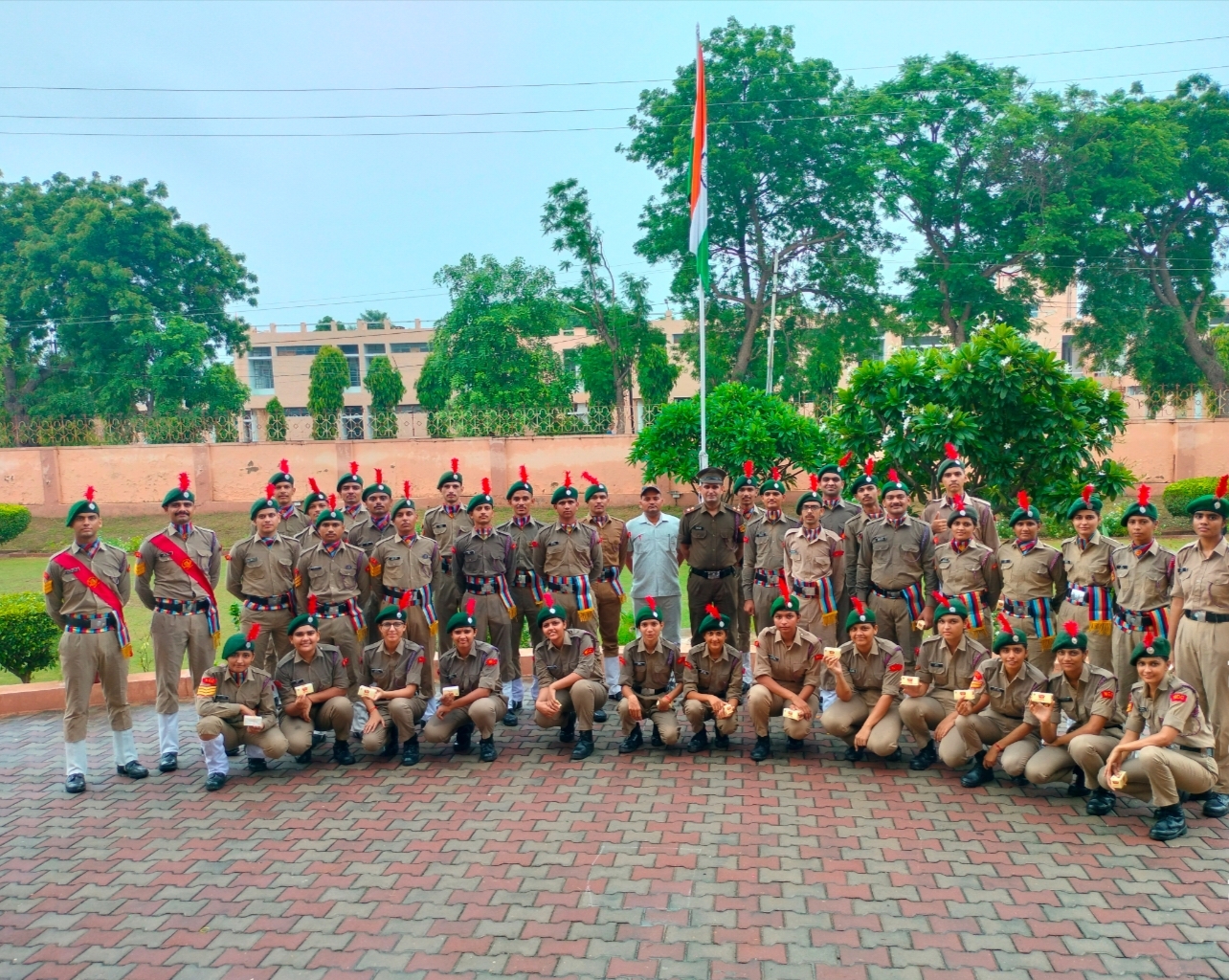
Important Information
Training Period
Total training period for SD and SW is 3 years with an extension of 1 year permissible on exceptional condition. Every cadet has to undergo service training for at least 2 hours per week during the training year.
- Minimum 75% attendance in total training hours is required annually.
- Cadets in their second year must attend an Annual Training Camp (ATC) of 10–12 days to be eligible for certificate exams.
Certificates & Examination
- Certificate A – For JD/JW cadets of class 8 & 9 only.
- Certificate B – For SD/SW cadets after class 10, eligible in 2nd year of training.
- Certificate C – Highest level, for SD/SW cadets in 3rd year or those with Certificate B.
Grading: A, B, or C.
Time of Selection: SEP/OCT every year.
Enrolment of Students as NCC Cadets
Eligibility Conditions
- Citizen of India with good moral character.
- Enrolled in an educational institution.
- Meets prescribed medical standards.
- Age: 15 to 23 years (SD/SW).
- Enrolment Period: 3 years (SD/SW).
Selection Procedure
- Physical Examination: Run (2.5km), chin-up, sit-up, etc.
- Written Test & Interview.
- Application for Enrolment.
- Apply to ANO/Officer Commanding nearest NCC Unit.
- Medical Examination.
Documentation
- 10th & 12th Class Mark Sheet.
- Blood Group Certificate.
- Aadhar Card Photocopy.
- Cadet/Guardian’s Bank Account Details (Photocopy).
- College Admission Fee Receipt.
- 04 Passport Size Photos (Civil Uniform).
About NCC
Explore the history, aims, benefits, values, structure, and divisions of the National Cadet Corps.
History of NCC
Pre-Independence
The NCC in India was formed with the National Cadet Corps Act of 1948. However, its origin can be traced back to the 'University Corps' which was created under the Indian Defence Act 1917.
Formation in 1948
The NCC was formally inaugurated on 15 July 1948 following the passage of the NCC Act. It was established to replace the University Officers Training Corps.
Growth & Expansion
From modest beginning of 20,000 cadets in 1948, NCC has grown into a 1.6 million strong organization. Girls Division was introduced in 1949 and Naval and Air Wing in 1950 and 1952 respectively.
Aims & Objectives
The 'Aim' of the NCC is:
"To develop qualities of character, courage, comradeship, discipline, leadership, secular outlook, spirit of adventure and sportsmanship and the ideals of selfless service among the youth to make them useful citizens."
Primary Objectives:
- To create human resource of organized, trained and motivated youth
- To provide leadership in all walks of life and be always in the forefront
- To develop character, courage, comradeship and discipline
- To create suitable environment to motivate the youth to take up a career in armed forces
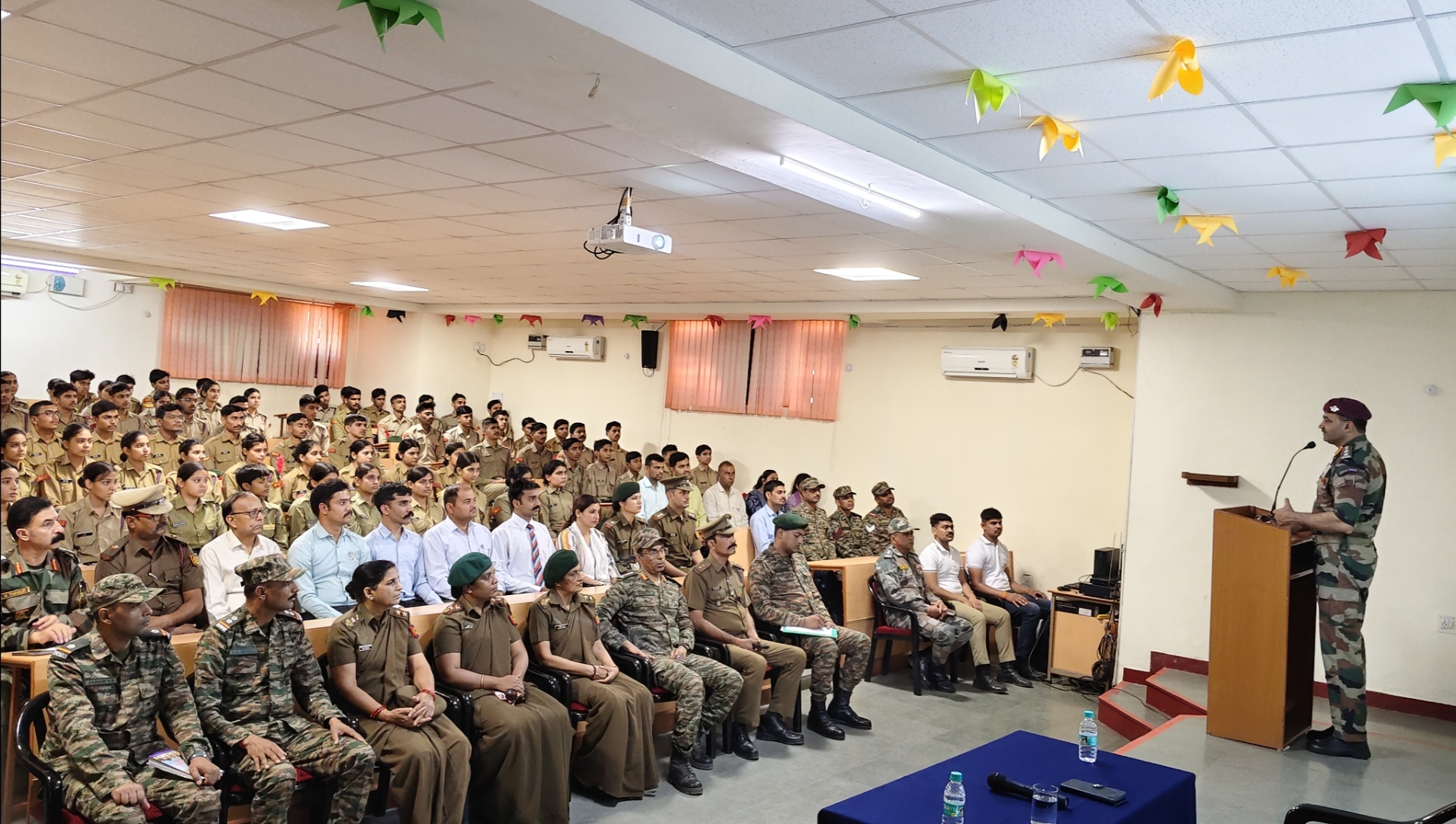
NCC Benefits
Defence Career Boost
-
CDSE (Men): Separate merit list for NCC "C" Certificate holders.
IMA: 3–15 vacancies reserved (Army Wing)
INA: 5–8 vacancies reserved (Naval Wing)
-
Special Entry (Men & Women):
OTA Chennai: 50 vacancies for NCC Special Entry (Non-Tech)
AFA Hyderabad: 10% seats reserved for Air Wing holders
-
Recruitment as Jawan:
Bonus marks for "A" (5 marks), "B" (10 marks), and "C" Certificate holders.
C Certificate + RDC participation: Exemption from CEE for certain categories.
Non-Tangible Benefits
- Annual Training Camps – Build friendships with cadets from different institutions.
- Republic Day Camp – Opportunity to march at Kartavya Path in New Delhi.
- Para Training Camp – Experience para-jumping with Indian commandos at PTS Agra.
- National Integration Camp – Cultural exchange with cadets from across India.
- Adventure Courses – Mountaineering, skiing, sailing, scuba diving, trekking.
- International Outreach – Youth Exchange Programmes & foreign naval cruises.
Other Benefits of "C" Certificate
- Bonus marks for recruitment in Armed Forces (ORs, Sailors, Airmen) – 5% to 10%.
- Extra marks for Para-Military Forces (CRPF, BSF, ITBP) recruitment.
- Preference in certain State Government services and police recruitment.
- Eligibility for NCC roles – Civilian Gliding Instructor, Girl Cadet Instructor, Lady Officer.
- Industry preference in security-related jobs and corporate defence training.
- Cash awards for excellence in NCC sports and shooting competitions.
Our Core Values
Unity
NCC fosters national integration by admitting cadets from every part of India regardless of caste, creed, religion or region. The organization transcends all boundaries and unites India's youth.
Discipline
Military-like discipline is the cornerstone of NCC training. Cadets learn punctuality, obedience, proper conduct and the importance of following rules through regimented training.
Patriotism
NCC inculcates love for the nation and respect for constitutional values. Flag hoisting, national anthem, and awareness about India's heritage are integral to NCC activities.
Organization Structure
Hierarchy Overview
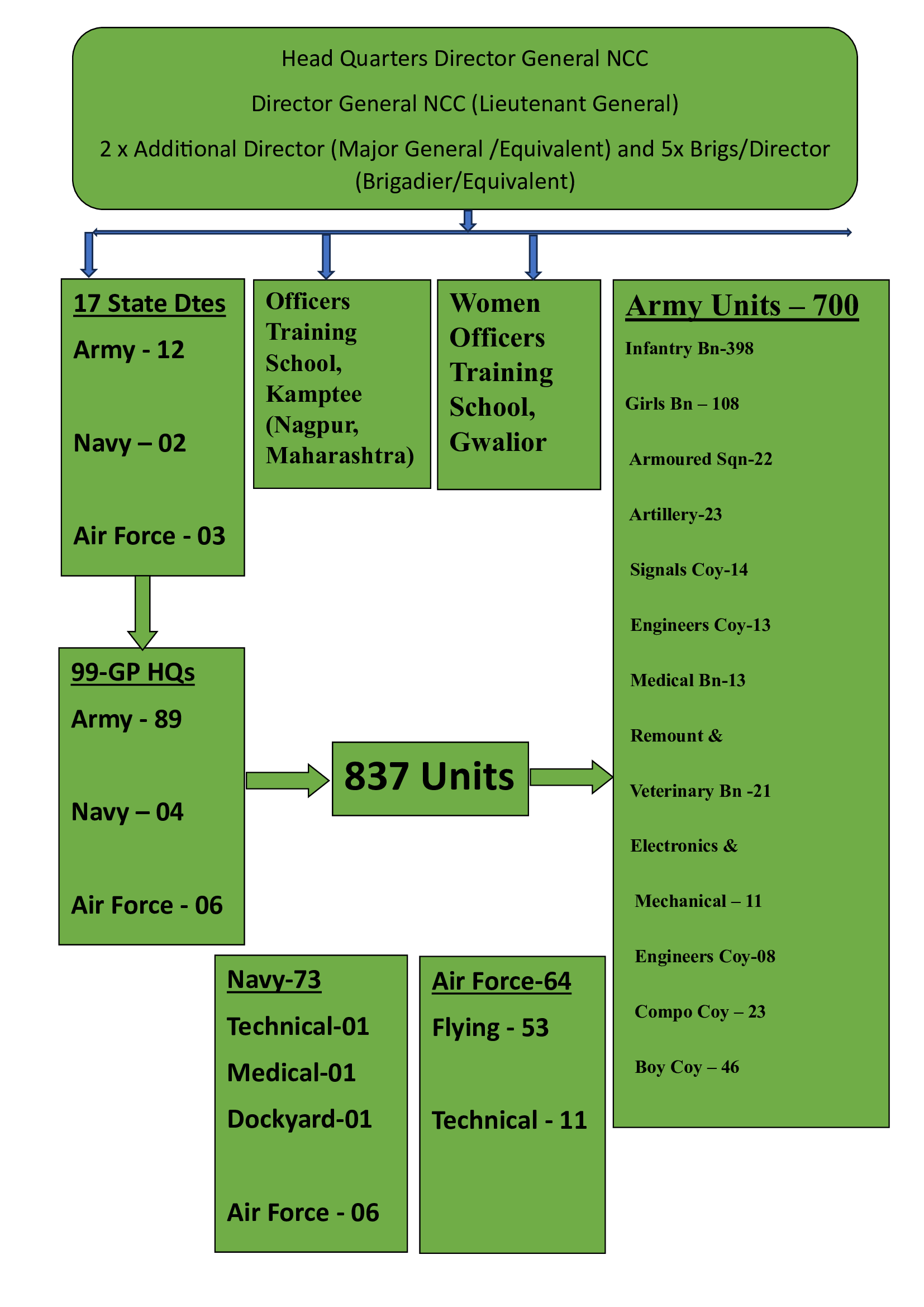
The NCC is headed by a Director General with the rank of Lieutenant-General. He is assisted by two Additional Director Generals (A and B) of two-star rank (Major-General, Rear-Admiral or Air Vice-Marshal). Five Brigadier level officers and other civil officials also assist him.
The Headquarters is located in New Delhi. There are 17 Directorates located in the state capitals, each headed by a Major General from one of the three services. Depending on the state’s size and growth of NCC, each Directorate may have up to 99 Group Headquarters.
Each Group Headquarters is commanded by a Brigadier or equivalent known as the Group Commander and controls 5–7 units (Battalions) commanded by a Colonel/Lt. Colonel or equivalent. Each Battalion consists of Companies commanded by an Associate NCC Officer (ANO) of the rank of Lieutenant to Major.
In total, there are 95 Group Headquarters across the country controlling a network of:
- 700 Army Wing Units (including technical and girls’ units)
- 73 Naval Wing Units
- 64 Air Squadrons
There are two main training establishments:
- Officers Training School, Kamptee (Nagpur, Maharashtra)
- Women Officers Training School, Gwalior
Wings & Divisions
Army Wing
The largest wing with focus on infantry training, weapons handling, map reading and military tactics.
Includes: Drill training, field craft, obstacle training, weapon training (.22 rifle), adventure activities and attachment with army units.
Naval Wing
Specialized in naval orientation including seamanship, navigation and exposure to naval life.
Air Wing
Provides basic understanding of aviation and motivates cadets towards careers in IAF and civil aviation.
Includes: Aeromodelling, aero engines, airframe systems, gliding, micro-light flying and attachment with air force stations.
BKBIET NCC
Leadership, cadet achievements, national camp highlights, and the student achievements gallery are organized here.
Leadership & Mentorship at BKBIET
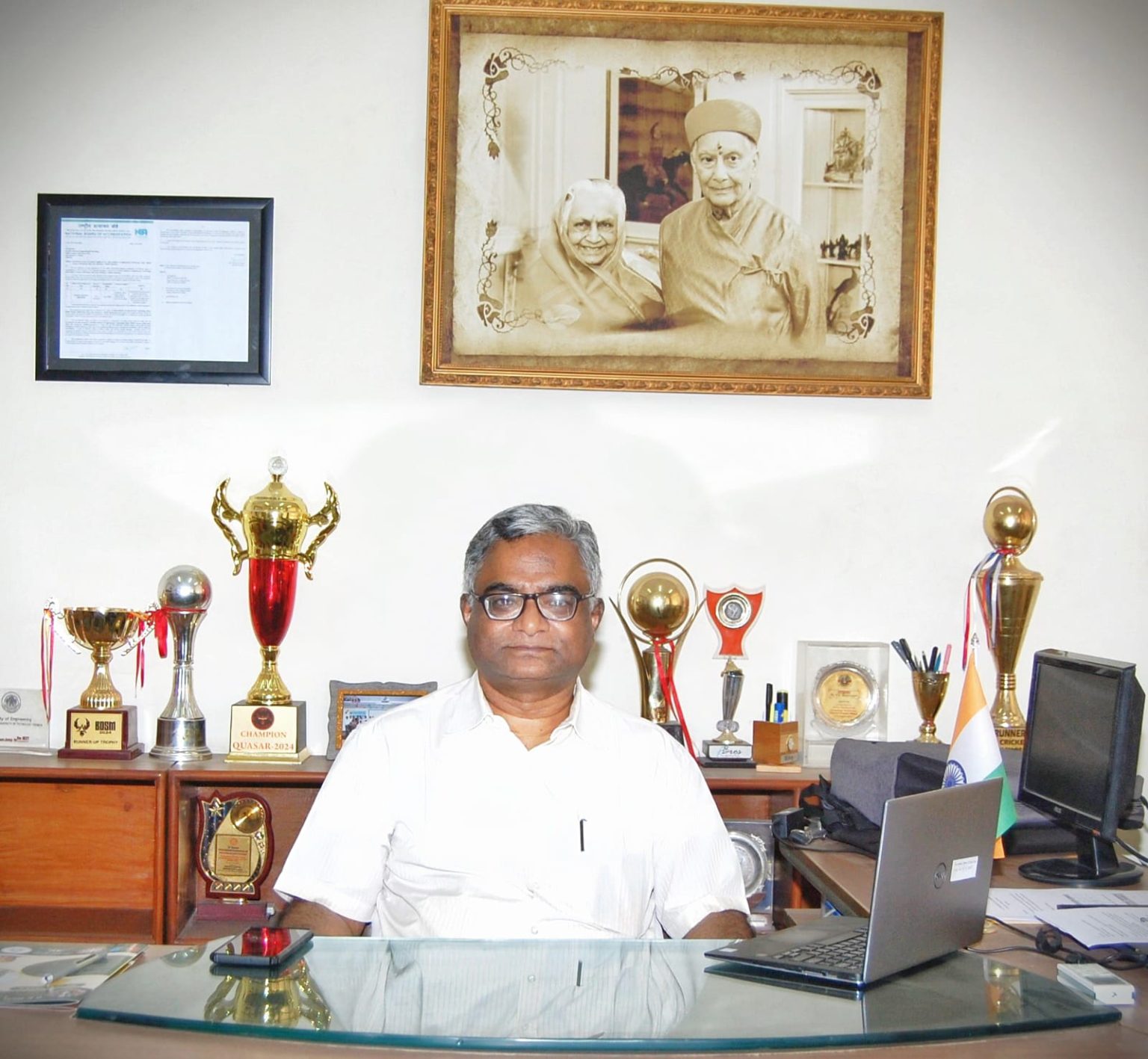
Prof. B K Rawat
Prof. B K Rawat is the Director of B.K. Birla Institute of Engineering and Technology, Pilani.

Dr. Anil Kumar Sharma
Dr. Anil Kumar Sharma is the Principal of B.K. Birla Institute of Engineering and Technology, Pilani.
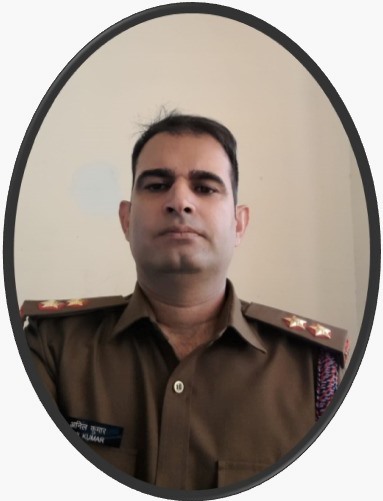
Lieutenant Anil Kumar
Lieutenant Anil Kumar is the Associate NCC Officer of B.K. Birla Institute of Engineering and Technology, Pilani.
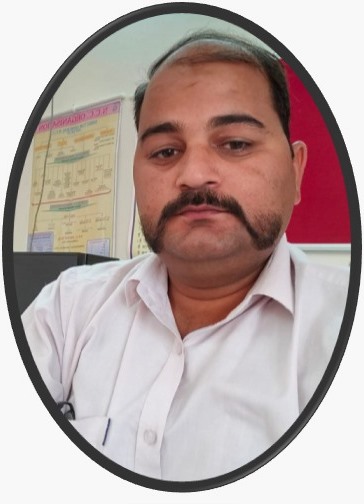
Drill Instructor Mr. Tejpal Saini
Mr. Tejpal Saini is the Drill Instructor of B.K. Birla Institute of Engineering and Technology, Pilani.
NCC Cadet Achievements - BKBIET
BKBIET Cadets at National Camps
Student Achievements Gallery
NCC Camps
Camp information, special and national camp highlights, additional training opportunities, and the NCC flag and song are grouped in one place.
NCC Camps
National Camps
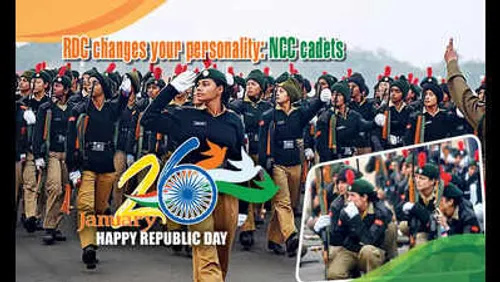
Republic Day Camp (RDC)
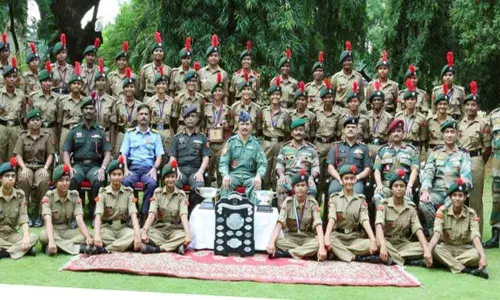
The Republic Day Camp is the flagship event of the National Cadet Corps, held every year in New Delhi from 1st to 29th January. It is the most prestigious NCC camp, bringing together the best cadets from all States and Union Territories for a month of training, competition, and national pride.
Thal Sainik Camp (TSC)
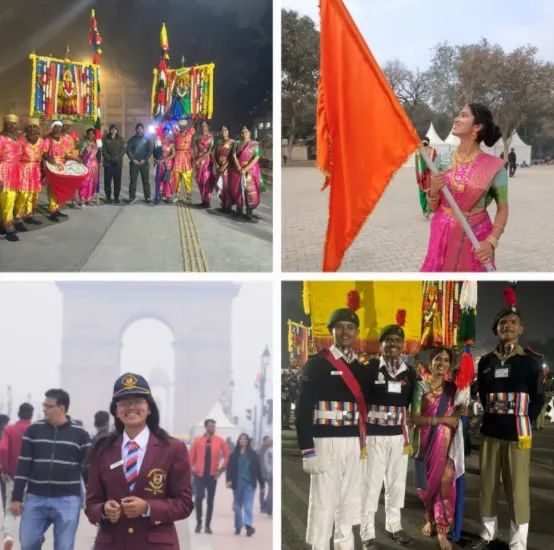
The Thal Sainik Camp is one of the most challenging and prestigious annual training events of the Army Wing of the National Cadet Corps. It is held every year at the Karian Camp, Delhi Cantt, and brings together the best Army Wing cadets from across the country.
National Integration Camp (NIC)
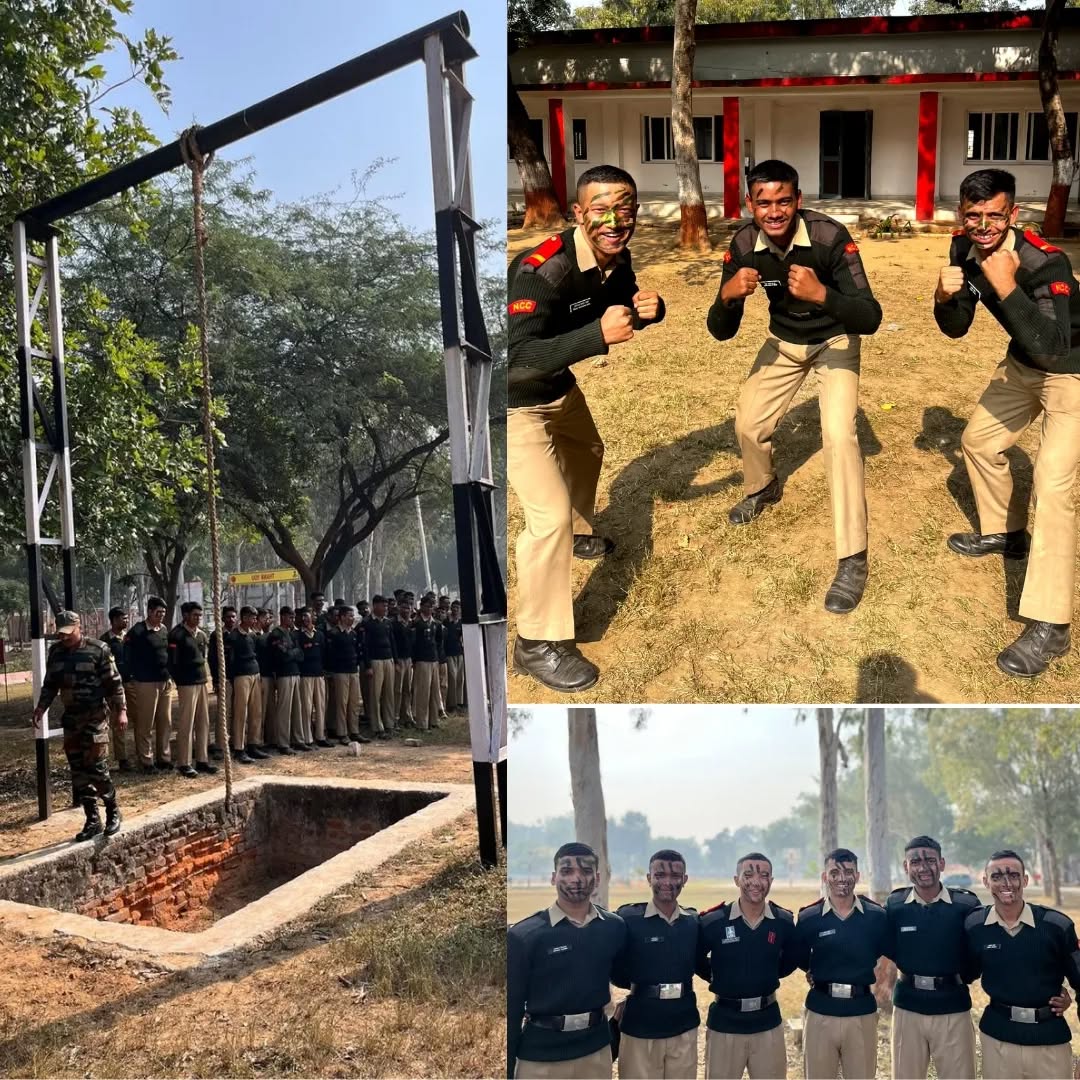
Promotes national integration through cultural exchange programs and adventure activities with cadets from across India.
Special Camps
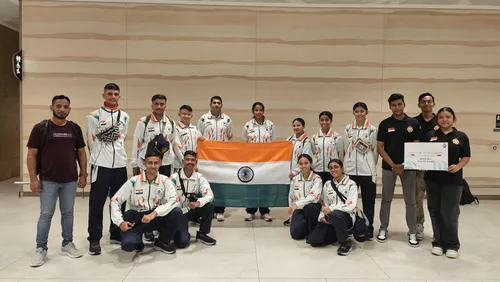
Army Attachment Camp
Provides hands-on experience of army life through attachments with various regiments and field training.
Sea Sortie Camp
The Sea Sortie Camp is a specialized training programme conducted by the Naval Wing of the National Cadet Corps (NCC), designed to give cadets first-hand experience of life at sea. It aims to build confidence, maritime skills, and leadership qualities through practical exposure aboard naval vessels.
.webp)
Vayu Sainik Camp (VSC)
The Vayu Sainik Camp is the premier annual training event for the Air Wing of the National Cadet Corps, designed to give cadets an in-depth understanding of aviation, air force operations, and the spirit of aerial adventure.
Additional Training Camps
- Prime Minister’s Rally
- Combined Annual Training Camps (CATC)
- Advance Leadership Course
- Hiking and Trekking Camps
- Nau Sainik Camp (NSC)
- All India Yachting Regatta (AIYR)
- Rock Climbing Camps (RCC)
- Youth Exchange Programme (YEP)
- Adventure Based Learning
- Mountaineering Expeditions
- All India Trekking Expedition
- Camel Safari
- Parasailing
- Para Basic Course
- Cycle and Motor Cycle Rallies
- Sailing Expedition
NCC Flag & Song
NCC Flag Section
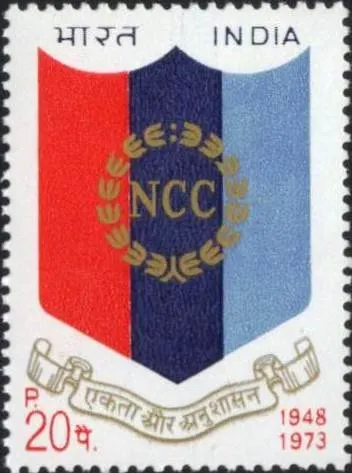
Three colors represent:
- Red: Army
- Dark Blue: Navy
- Light Blue: Air Force
The NCC flag for various directorates within the state contain the NCC logo and the name of the Directorate in gold on the middle band.
NCC Song Section
"Hum Sab Bharatiya Hain, Hum Sab Bharatiya Hain"
NCC song was adopted in 1963 when the entire country was celebrating its presence for 15 long years
The song is played while marching contingents cross the saluting base during Republic Day parade and other ceremonial parades.
Hum Sab Bharatiya Hain, Hum Sab Bharatiya Hain
Apni Manzil Ek Hai,
Ha, Ha, Ha, Ek Hai,
ho ho ho, Ek Hai,
Hum Sab Bharatiya Hain.
Kashmir Ki Dharti Rani Hai,
Sartaj Himalaya Hai,
Saadiyon Se Humne Isko Apne Khoon Se Pala Hai
Desh Ki Raksha Ki Khathir Hum Shamshir Utha Lenge,
Hum Shamshir Utha Lenge.
Bikhre bikhre taare hain hum lekin jhilmil ek hai...
Ha, ha, ha, ek hai,
hum sab Bhartiya hain,
Mandir Gurudwaare bhi hain yahan,
aur masjid bhi hai yahan...
Girija ka hai ghadiyal kahin, mulla ki kahin hai azaan,
Sartaj Himalaya Hai,
Ek hi apna Ram hai,
ek hi Allah Taala hai
Rang-birange deepak hain hum,
lekin jagmag ek hai
Ha ha ha ek hai,
ho ho ho ek hai
Hum sab Bhartiya hain, hum sab Bhartiya hain